Keep Clothes from Wrinkling in Humidity
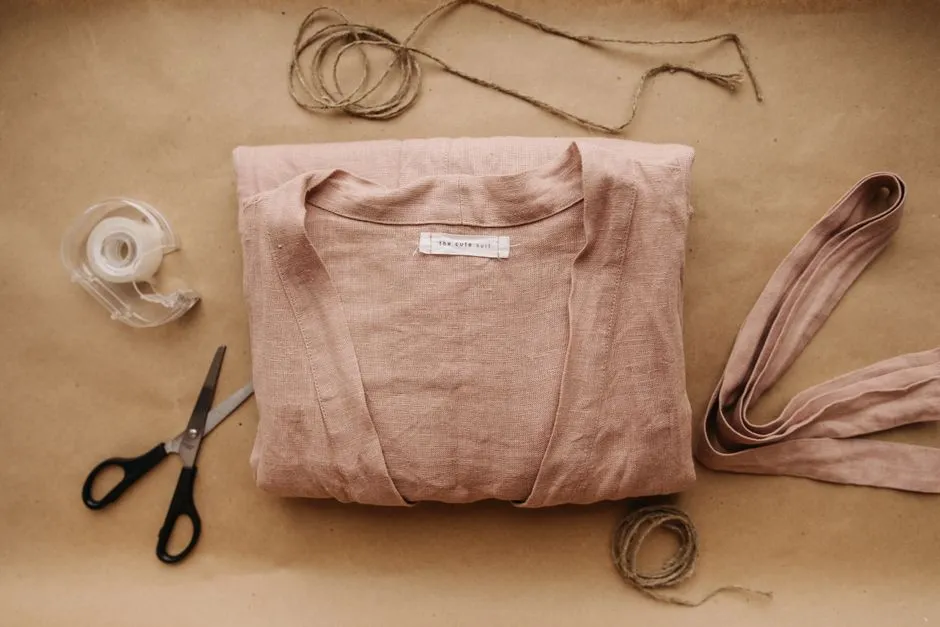
- How do you keep clothes from wrinkling in humidity?
- Humidity is only one part of the crease
- Choose the finished garment, not a fibre slogan
- Read the care label before planning the fix
- Build a low-crease laundry handoff
- Pack for fewer pressure points
- Use steam or an iron only inside the stated limits
- Make a two-minute destination routine
- Troubleshoot the kind of wrinkle you have
- The realistic Brisbane standard
- Sources
How do you keep clothes from wrinkling in humidity?
You cannot make every garment wrinkle-free in humidity, but you can keep it neater by choosing fabric and construction deliberately, following the care label, avoiding tight compression, and giving the garment room to hang before wear. For a commute, carry or wear the least crush-prone layer, keep a destination hanger ready, and use only the ironing, steaming or professional-care method the label permits.
Humidity is only one part of the crease
Wrinkles form through a combination of fibre response, fabric construction, moisture, heat and mechanical pressure. Sitting, bending an elbow, tightening a belt and carrying a shoulder bag can crease a garment even on a dry day. Humid air can make a freshly pressed shape less stable in some textiles, but it does not affect every fibre, weave or finish in the same way.
A Smithsonian-hosted textile paper on moisture and textile setting identifies moisture as one agent involved in textile setting and lists wrinkling, creasing and loss of shape as unintended forms of set. That is the useful mechanism here: moisture plus pressure can matter. It is not a formula that predicts exactly how one finished garment will behave.
The University of Georgia Extension's fibre reference describes untreated cotton and linen as prone to wrinkling and polyester as comparatively wrinkle-resistant. It also makes the more important point repeatedly: follow the permanent care instructions. A fibre name cannot tell you how a blend, lining, finish or whole garment should be treated.
Choose the finished garment, not a fibre slogan
If a neat commute is the priority, inspect these six things before buying:
- Fibre content: useful context, but not a complete performance forecast.
- Weave or knit: compare how the actual cloth recovers after ordinary movement.
- Weight: enough body may help a garment hang, while excessive weight may make it impractical in warm conditions.
- Lining and interfacing: check whether the collar, placket, waistband and front retain their intended shape.
- Finish: “crease-resistant,” “easy-care” or similar wording should identify what the seller is claiming; it is not permission to ignore the care label.
- Cut: a garment pulled tightly across the lap, elbows or back will collect different creases from one with useful ease.
With the retailer's permission, sit, reach and bend your arms in the garment. Gently compress a small area, release it, and observe rather than deciding from the hanger. Repeat the check on any lining because shell and lining can behave differently.
Our guide to Australian fashion brands explains how label identity, manufacturing place, fibre and product claims differ. For Brisbane humidity, the finished garment still has to suit your comfort and the care you will genuinely provide.
Read the care label before planning the fix
The Australian Competition and Consumer Commission's current care-labelling guide says care labels describe how to care for clothing without damaging it. It explains the recognised symbols for washing, bleaching, drying, ironing and professional care.
Read every relevant instruction before washing, drying, ironing, steaming or applying a spray. Check the shell, lining and trims. If the label says not to iron, an iron is not a quicker steamer. If it requires professional care, decide whether that cost and timing fit the garment's real role before buying.
The label is the boundary, not a starting suggestion. A generic online “linen setting” or “synthetics trick” cannot account for the exact blend, dye, finish, adhesive, print or trim in your garment.
Build a low-crease laundry handoff
The cleanest commute starts before the garment enters the wardrobe.
- Sort and wash according to the label.
- Use the permitted cycle and load without forcing delicate clothing into a packed drum.
- Follow the stated drying method.
- At the end of drying, take the garment out rather than leaving it compressed beneath the rest of the load.
- Smooth seams, plackets, collars and hems gently while the fabric is in the condition its care instructions allow.
- Hang or lay it as directed, with enough space that another garment does not press a new fold into it.
This is not permission to reshape a wet, fragile or dry-clean-only garment. When the care label is unclear or the piece is valuable, structured, embellished or unfamiliar, ask a qualified textile-care professional.
Do not put a garment away damp. The Smithsonian Museum Conservation Institute notes that natural-fibre textiles readily take up moisture and that high humidity, warmth and poor ventilation encourage mould. Museum storage is not a commuter wardrobe, but the underlying warning is relevant: dry the garment by its approved method and keep wardrobe air moving rather than sealing damp fabric in a crowded bag.
Pack for fewer pressure points
Start with less compression. Give structured pieces a hanger or garment bag where practical. For a folded item, use the garment's existing seams as guides and avoid placing the same hard fold through a collar, lapel or decorated panel. Put heavy objects elsewhere.
For a daily commute:
- keep the garment above shoes, lunch containers and wet umbrellas;
- avoid trapping it under a laptop or tightly cinched strap;
- use a bag large enough for the fold rather than forcing a smaller fold;
- unpack and hang it on arrival;
- leave enough time for ordinary hanging before deciding it needs heat.
If a particular route involves crowded transport, cycling or a long walk, a destination change can be the neatest option. Carrying one work layer may be simpler than trying to preserve a full outfit through heat, rain and pressure.
Our Brisbane dressing guide covers what to wear in Brisbane across current conditions and seasons. Check the live forecast before leaving; climate guidance does not replace today's warning or temperature.
Use steam or an iron only inside the stated limits
First ask whether hanging and hand-smoothing are enough. Natural movement will add some creasing again, so reserve heat for a difference that matters.
If the care label permits ironing, match the label and appliance instructions. Use a stable ironing board, keep the cord out of the walkway, keep children and pets away, and do not leave the iron unattended. Test an inconspicuous area when the finish is unfamiliar. Disconnect the appliance after use and let it cool in a protected place.
If using a garment steamer, confirm that the garment and appliance instructions permit it. Hang the garment from a stable support away from electrical fittings and items that moisture could damage. Never steam clothing while someone is wearing it. Keep hands and skin out of the steam path, and stop if the fabric changes colour, texture or shape.
Do not turn a bathroom into an improvised steam cabinet or add more heat because the first pass was slow. Water, hot surfaces, electricity and unstable hanging points require a flat safety margin. A cleaner or pressing service is the right route when the label calls for professional care or the safe method is uncertain.
Make a two-minute destination routine
On arrival:
- Remove the garment from the bag.
- Hang it with space around the sleeves and hem.
- Smooth only with clean, dry hands.
- Check the collar, front, cuffs and the area that sat beneath the bag.
- Accept soft wear creases that do not change the outfit's shape.
Use a lint brush and clean hanger before more heat. If the garment is damp from rain or perspiration, follow the care label and approved drying method before pressing.
For repeated office days, rotate garments according to their cleaning and drying needs. Rotation is not a magic wrinkle treatment; it simply gives each piece time to dry, hang and return to service without being forced through an unsuitable shortcut.
Troubleshoot the kind of wrinkle you have
| What you see | Likely practical cause | Next check |
|---|---|---|
| Sharp horizontal fold | Bag or drawer compression | Change the fold or use a hanger |
| Crushed collar or placket | Heavy item pressed on structure | Pack the structured area free |
| Lap and elbow creases | Normal movement and close fit | Check garment ease and accept ordinary wear |
| Finish falls quickly after pressing | Moisture, fibre, finish or method mismatch | Re-read the label; reduce handling; ask a professional |
| Shiny, flattened or changed surface | Heat or pressure may be unsuitable | Stop treatment and seek professional advice |
| Persistent crease after correct care | Construction, finish or set may be involved | Do not escalate heat beyond the label |
The phrase “humidity wrinkle” can hide several different problems. Diagnose the fold before reaching for an appliance.
The realistic Brisbane standard
Choose a garment whose natural finish you can live with. Follow its care label, remove unnecessary compression, hang it promptly, and keep any heat treatment within the garment and appliance instructions. For a demanding commute, carry one destination layer or rotate pieces rather than promising one fabric will remain immaculate.
Linen can look polished with soft movement in it. Cotton can be crisp without staying untouched. A blend can be useful without being universally superior. The practical goal is a deliberate outfit that survives the day, not a fibre forced to deny its own construction.
Sources
- Smithsonian Institution Repository: More on Moisture - moisture as an agent in textile setting and wrinkling as unintended set.
- University of Georgia Extension: Understand Your Fibers - source-scoped fibre wrinkle tendencies and repeated care-label boundaries.
- ACCC Product Safety: Care Labelling on Clothing and Textiles - current Australian care-labelling purpose and washing, drying, ironing and professional-care symbols.
- Smithsonian Museum Conservation Institute: Mold and Mildew on Textiles - moisture uptake by natural-fibre textiles and the mould risk of humidity, warmth and poor ventilation.